
The calendar is racing toward 2027, and the word “Verifactu” is echoing across the vending and unattended retail sector in Spain with the same intensity as the uncertainty surrounding it.
The questions are understandable, and we hear them every day from our Spanish partners: Do I have to connect every machine individually to the Tax Agency? Do I need to issue a fiscal receipt for every snack? Is this the end of the operational agility that defines our business?
As with every technological disruption, and a regulatory one even more so, fear stems from misinformation. My goal today is to clear away the noise, separate the obligation from the opportunity, and show why, once again, the technology that looks like a burden is in fact a lever for growth.
Demystifying Verifactu: What Spanish Law Says (and Doesn’t Say)
First, the facts. Let’s be technically precise.
Verifactu is the new legal standard for invoicing software in Spain (Royal Decree 1007/2023). It applies to the invoices, including simplified invoices, that businesses obliged to invoice issue through a computer system; where there is no obligation to issue an invoice, it does not apply. Invoicing records can be handled in two valid ways: in VERI*FACTU mode the system sends the records to the AEAT; in non-verifiable mode it keeps them, signed and chained, in the operator’s own system. Under the current timetable it becomes mandatory on 1 January 2027 for Corporate Income Tax payers and on 1 July 2027 for everyone else.
But, and this is the big but for our sector, current Spanish regulation, in its most direct reading, does not require every individual vending machine (every point of sale) to connect in real time to the AEAT: records are only sent to the AEAT if the operator chooses VERI*FACTU mode. What each operator has to issue depends on its own operations, so it is worth confirming with a tax adviser.
Responsibility for the accounting record still lies with the operator. And they can consolidate that information through their centralised system (ERP).
Sources: Royal Decree 1007/2023, Royal Decree-law 15/2025 and the AEAT FAQ.
So much for the “mandatory” part.
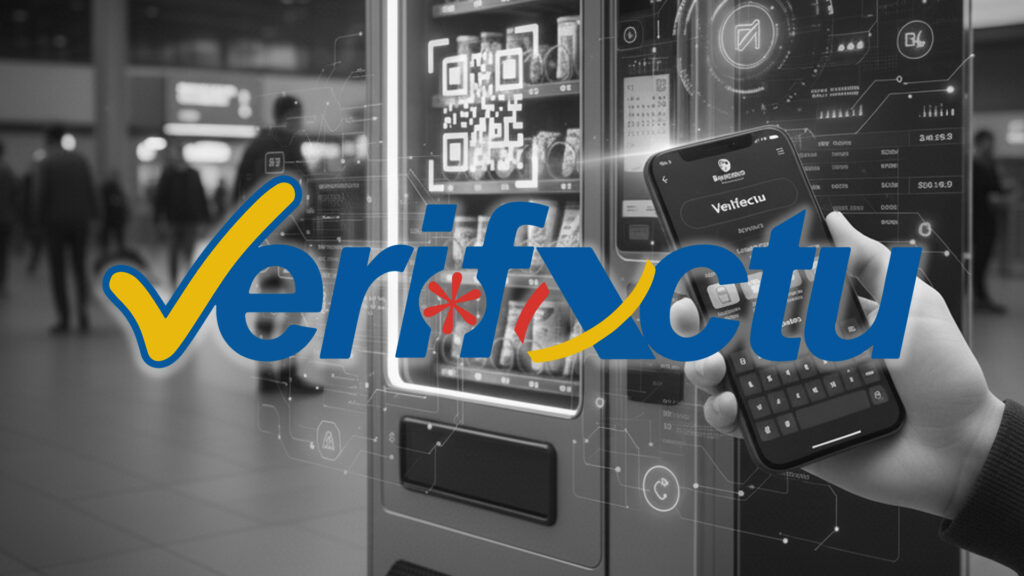
From Operational Intelligence to Revenue Intelligence
This is where most operators hit the brakes. And where the leaders accelerate.
If it isn’t mandatory for the machine, why implement it at that level?
The answer is simple: because the future edge no longer lies in ‘Operational Intelligence,’ but in ‘Revenue Intelligence’ and in Trust.
The operator who sees Verifactu only as fiscal compliance is missing the bigger picture. The real opportunity isn’t to “verify the sale,” but to reinvent the buying experience.
Think about it:
-
Tenders and major accounts (in Spain): Public administrations and large corporations may require compliance and transparency from their suppliers. An operator who can voluntarily demonstrate full compliance with Verifactu, offering traceability of every transaction, isn’t simply “complying”: they bring one more argument when submitting a bid, although that does not guarantee the award.
-
Customer trust: We’re moving toward a frictionless retail model. Offering a digital, transparent, and verifiable buying experience is the very same user experience an e-commerce store provides. It builds trust.
-
Brand positioning: This is the fundamental difference between being a commodity supplier (a restocker) and a strategic partner. It’s telling your corporate client: “You can trust me. My operations are so transparent they can be audited to the second.”
The Technical Solution: How Bonobo Services Tackles Verifactu
At Bonobo Services we don’t build technology for its own sake. As a European technology company, we design solutions to solve real operator problems in specific markets.
For the Verifactu challenge in Spain, our architecture is an end-to-end solution:
-
Technically (the hardware): We’ve developed robust micro-hardware that acts as an intelligent hub inside the machine. It communicates seamlessly via MDB with payment systems (card terminals, coin mechanisms) and telemetry.
-
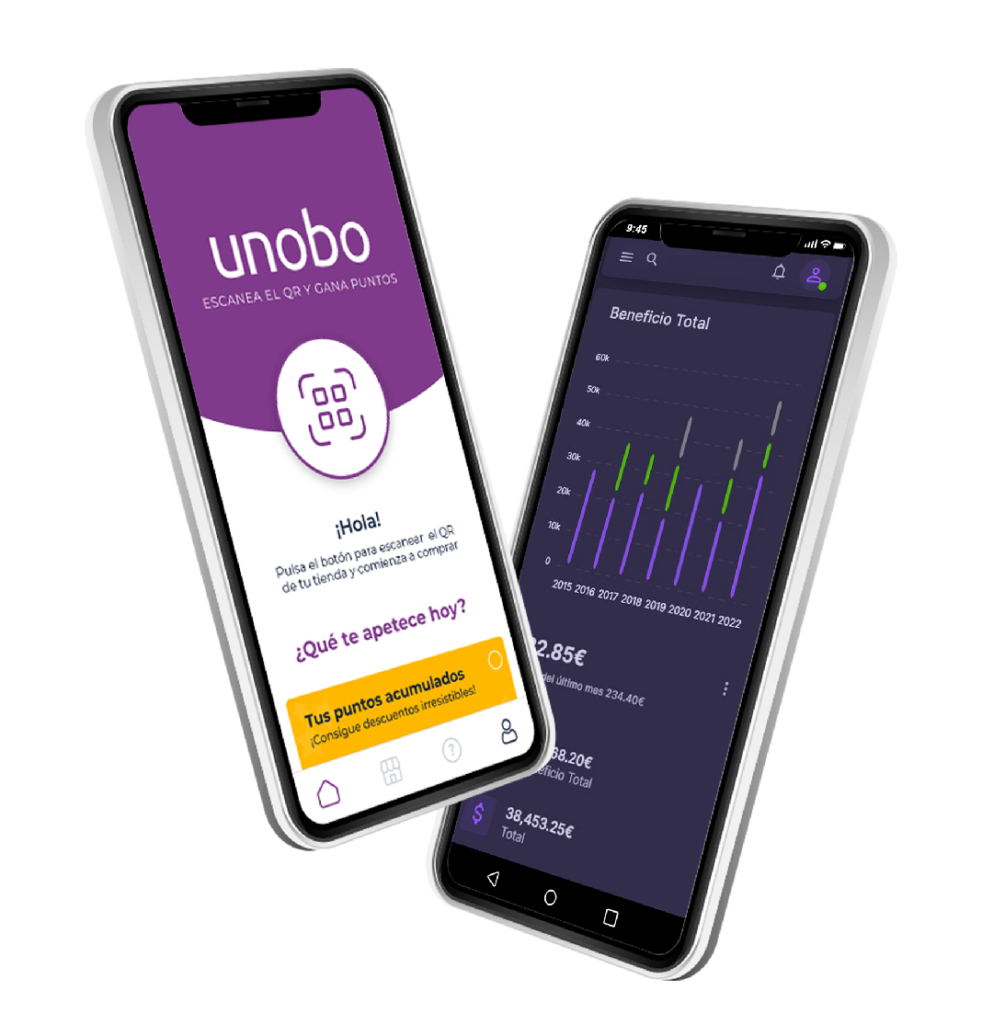
The interaction (physical e-commerce): This is where we break the traditional model. The consumer scans a QR code on the machine before the purchase. This instantly launches a webapp on their phone (no downloads, zero friction) that becomes the machine’s interface.
-
The experience (the software): From this webapp, the user not only selects products via a virtual keypad (goodbye to physical buttons that fail), but also accesses bundles, promotions, and suggested selling (pure e-commerce logic). And if the operator wants to boost repeat business, this same webapp can scale into a loyalty app with points programs and rewards.
-
The close (the backend): After payment (made within the same mobile interface), the digital receipt or invoice is generated and stored automatically. Zero friction, 100% compliance. All the information is recorded, digitally signed, and ready for traceability and reporting in our Bonobo Connect backend.
The Real Leap: Beyond Taxation
True innovation isn’t just about verifying the sale. It’s about radically optimising the cost of accepting it and getting more out of every transaction.
The biggest headache for vending SMEs today is managing card terminals. The outdated “1 terminal = 1 monthly fee” model is a drag on the operator.
Our architecture turns the Verifactu “obligation” into an ecosystem that also lets you:
-
Payment centralisation: Roll out a single payment gateway across your entire machine fleet. Goodbye to the chaos of multiple contracts and fixed per-machine fees.
-
Pure operational efficiency: Eliminate the dependence on paper printers that jam and physical keypads that get dirty or break. The interface is digital, centralised, and scalable.
-
Active revenue intelligence: This is more than Revenue Intelligence. It’s using the Verifactu ‘battering ram’ as the perfect excuse to roll out suggested selling, bundles, and loyalty. It’s a key lever for whoever decides to implement it.
Conclusion: The Future Is Verifiable
2027 will be a milestone for digital taxation in Spain. And although vending machines aren’t necessarily required to connect at the point of sale, operators who lead the change with compatible solutions can stand out in reputation, relationships with major accounts and operational agility.
At Bonobo Services we believe that advantage shouldn’t have to wait. The question isn’t “how much does it cost” to implement Verifactu. The question is “how much is it costing you not to already have a smart selling, loyalty, and centralised payment system.”
Sometimes, what isn’t required of you… is exactly what sets you apart the most.